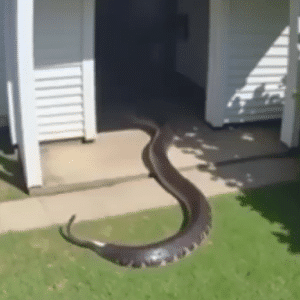
What Experts Recommend Doing If You Ever Find a Snake Inside Your Home
Discovering a snake inside your home is something most people never expect.
Whether it appears in the kitchen, garage, bathroom, or near a doorway, the sudden sight of a snake indoors can instantly create panic and confusion.
But wildlife experts say the most important thing in that moment is not fear — it is staying calm and reacting safely.

According to safety specialists, most indoor snake encounters can be handled without injury if people avoid aggressive reactions and focus on creating a safe exit path instead.
First Rule: Stay Calm and Keep Your Distance
Experts strongly advise against attempting to touch, grab, or corner a snake.
Even non-venomous snakes may bite defensively when frightened.
The safest first step is to slowly back away while keeping children and pets far from the area.
Professionals generally recommend maintaining at least 6 to 10 feet of distance whenever possible.
Isolate the Area Immediately
If possible, close doors around the room where the snake is located.
Many experts also recommend placing towels or blankets along door gaps to reduce the chance of the snake moving into other parts of the home.
The goal is not to trap the animal aggressively, but simply to limit movement while preparing a safe exit route.
Open a Clear Exit Path
Wildlife specialists explain that snakes usually prefer escaping rather than confronting humans.
Opening an exterior door or window may help guide the animal back outside naturally.
Some experts suggest darkening the room where the snake is located while keeping the exit area brighter, encouraging the animal to move toward the open path.
Can Certain Smells Help Repel Snakes?
Some homeowners attempt using strong-smelling substances such as:
- Vinegar
- Ammonia
- Certain cleaning products
These are sometimes placed near entry points or doorways.
Video : Diy trick to keep snakes away from your yard!
However, experts warn that scent deterrents are inconsistent and should never be relied upon as guaranteed solutions.
Strong chemicals should never be sprayed directly onto the snake, and proper ventilation is important when using any strong-smelling substances indoors.
Gentle Vibrations May Encourage Movement
Another method occasionally recommended involves lightly tapping the floor from a safe distance using a broom handle or similar object.
Snakes are highly sensitive to ground vibrations and may move away from perceived disturbances.
However, experts caution that tapping should remain gentle and distant.
Aggressive movements or attempts to strike near the snake may trigger defensive behavior instead.
Keep the Area Quiet and Clear
A calm environment can often reduce the likelihood of unpredictable movement.
Experts recommend:
- Avoiding loud yelling
- Reducing sudden movement
- Clearing clutter where the snake could hide
- Giving the animal space to move toward an exit
The less trapped the snake feels, the more likely it is to leave on its own.
When to Call Professionals Immediately
Wildlife professionals say people should contact trained removal experts if:
- The snake cannot be identified
- It appears large or aggressive
- It moves into hard-to-reach spaces
- There are concerns about venomous species
- Anyone feels unsafe handling the situation
Animal control services, wildlife rescue teams, and licensed pest professionals are trained to remove snakes safely without unnecessary harm to people or animals.
Preventing Snakes From Entering Homes
Experts say prevention remains the best long-term solution.
Some common recommendations include:
- Sealing cracks and openings around the home
- Installing door sweeps
- Covering vents with protective mesh
- Keeping grass and bushes trimmed
- Removing woodpiles near walls
- Controlling rodent populations that attract snakes
Reducing clutter in garages, basements, and storage areas may also eliminate hiding spots.
Why Experts Warn Against Trying to Handle Snakes Yourself
One of the biggest mistakes homeowners make is attempting to catch or kill snakes without training.
Even experienced handlers exercise extreme caution around unknown species.
Experts emphasize that identifying venomous snakes by appearance alone can be difficult for untrained individuals.
For that reason, all unknown snakes should be treated carefully and from a safe distance.
The Real Goal Is Safety — Not Confrontation
Wildlife specialists consistently remind people that most snakes enter homes accidentally while searching for shelter, warmth, or food.
In many cases, the safest solution is not confrontation but calm management.
Creating a safe exit, minimizing stress, and calling professionals when needed often resolves the situation without injury to anyone involved.
A Reminder About Staying Calm Under Pressure
For many people, the idea of finding a snake indoors feels terrifying.
But experts say panic often creates more danger than the animal itself.
In stressful moments like these, staying calm, keeping distance, and reacting carefully can make all the difference between chaos and safe resolution.